✨ New Arrivals Just Dropped!Explore
HomeStore

Spineless Prickly Pear

Product image 1
1 / 5

Spineless Prickly Pear

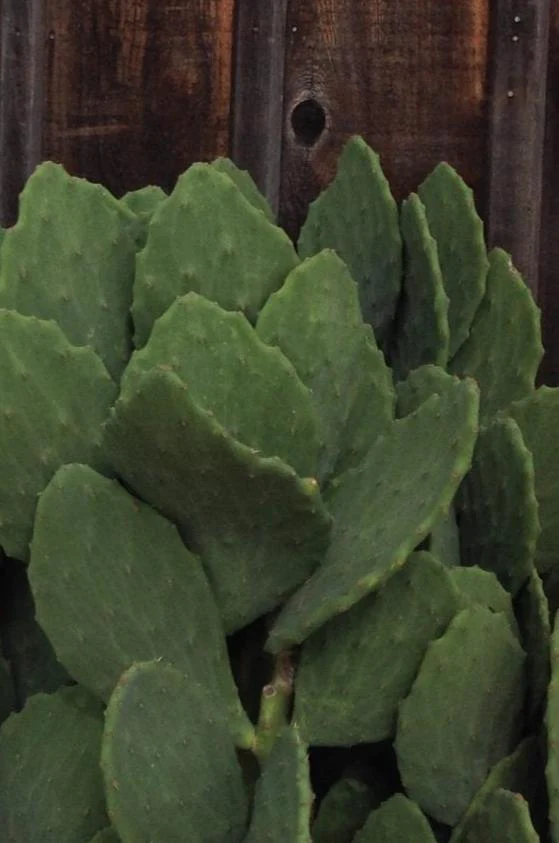
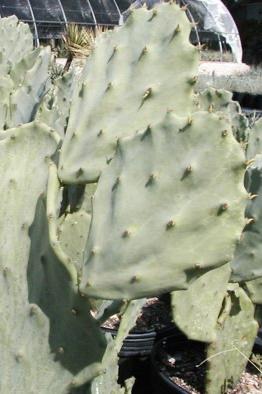
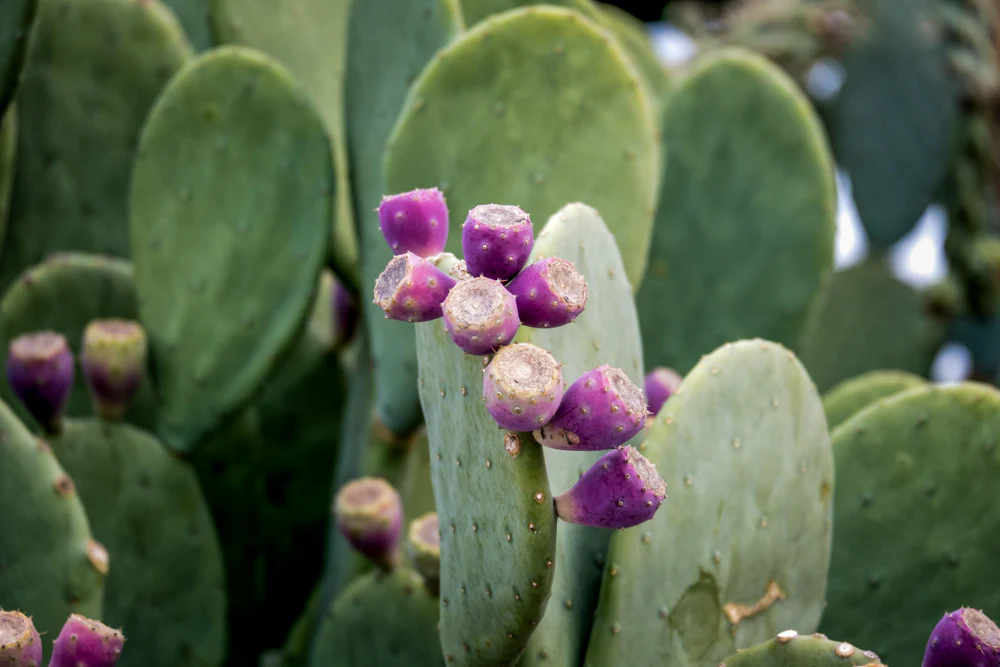
Opuntia ellisiana (Spineless Prickly Pear) is a resilient, evergreen cactus that thrives in dry, well-drained soils. It prefers full sun but can tolerate part shade. This spineless form of prickly pear is prized for its unique, pad-like foliage and stunning blooms in shades of red, pink, orange, or yellow, which appear in late spring to early summer. The bright red fruits, known as tunas, add visual interest and attract wildlife. Despite its lack of sharp spines, Opuntia ellisiana has tiny glochids that can irritate the skin if not handled properly.

Scientific Name: Opuntia ellisiana

Origin: Texas, New Mexico, Arizona

Height: 3 to 6 feet

Spread: 3 to 6 feet

Light: Full Sun

Water: Low

Blooms: May-July

USDA Zones: 7-10
Opuntia ellisiana (Spineless Prickly Pear) is a resilient, evergreen cactus that thrives in dry, well-drained soils. It prefers full sun but can tolerate part shade. This spineless form of prickly pear is prized for its unique, pad-like foliage and stunning blooms in shades of red, pink, orange, or yellow, which appear in late spring to early summer. The bright red fruits, known as tunas, add visual interest and attract wildlife. Despite its lack of sharp spines, Opuntia ellisiana has tiny glochids that can irritate the skin if not handled properly.

Scientific Name: Opuntia ellisiana

Origin: Texas, New Mexico, Arizona

Height: 3 to 6 feet

Spread: 3 to 6 feet

Light: Full Sun

Water: Low

Blooms: May-July

USDA Zones: 7-10
Select Size
From $2.45

Original: $7.00

-65%
Spineless Prickly Pear

$7.00

$2.45

Description

Opuntia ellisiana (Spineless Prickly Pear) is a resilient, evergreen cactus that thrives in dry, well-drained soils. It prefers full sun but can tolerate part shade. This spineless form of prickly pear is prized for its unique, pad-like foliage and stunning blooms in shades of red, pink, orange, or yellow, which appear in late spring to early summer. The bright red fruits, known as tunas, add visual interest and attract wildlife. Despite its lack of sharp spines, Opuntia ellisiana has tiny glochids that can irritate the skin if not handled properly.

Scientific Name: Opuntia ellisiana

Origin: Texas, New Mexico, Arizona

Height: 3 to 6 feet

Spread: 3 to 6 feet

Light: Full Sun

Water: Low

Blooms: May-July

USDA Zones: 7-10