Coral Honeysuckle
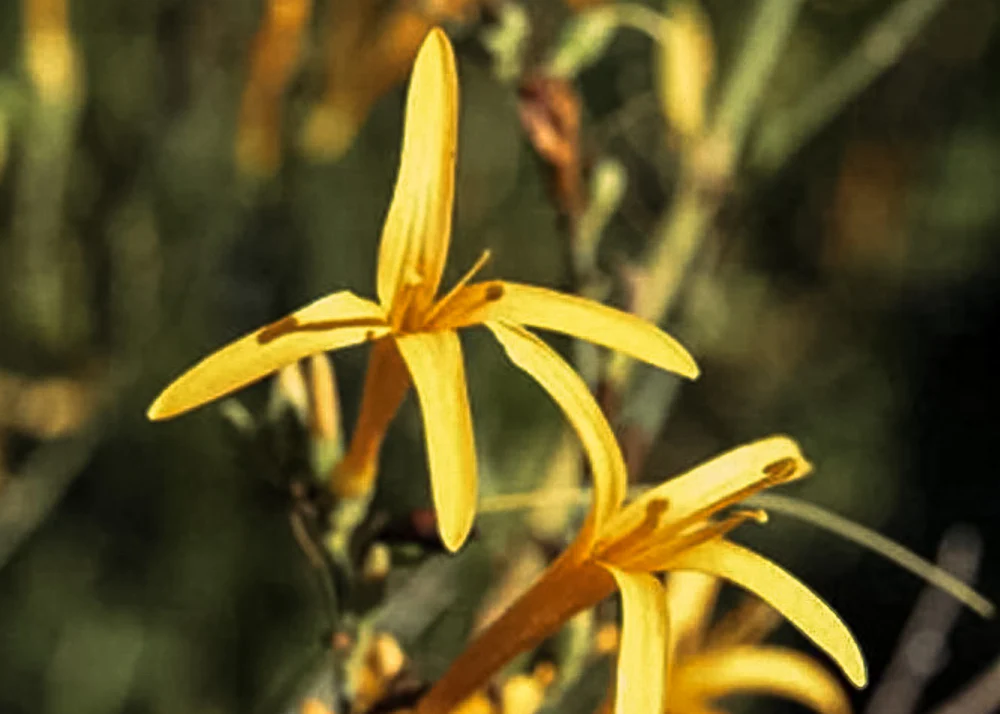
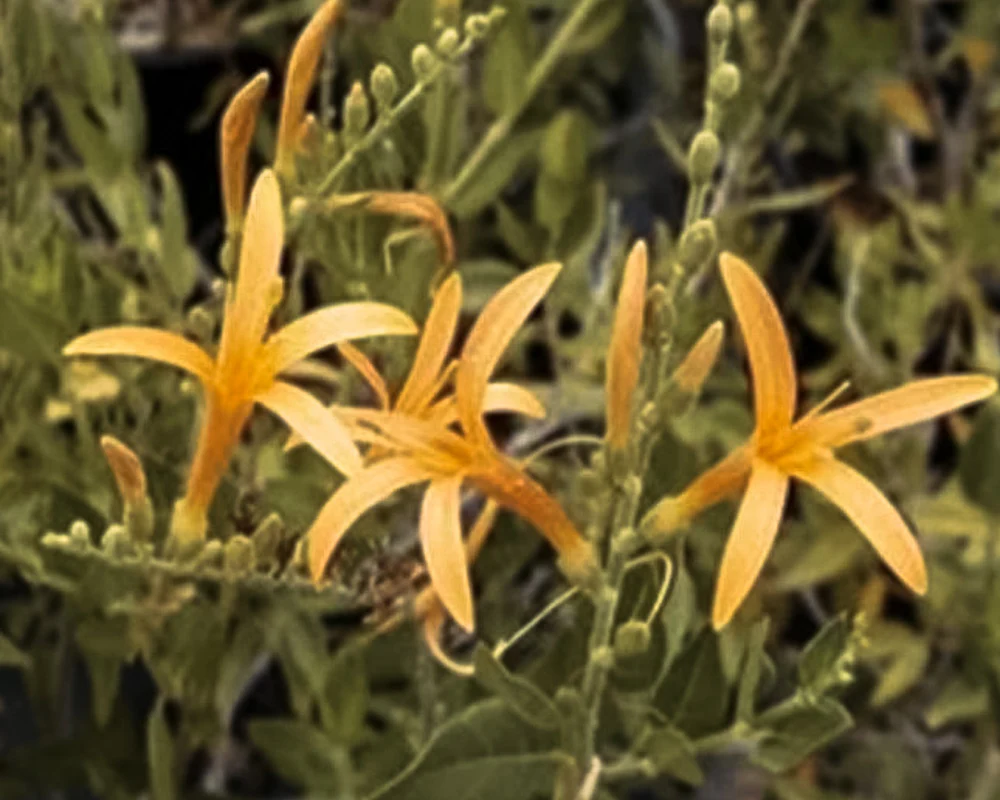
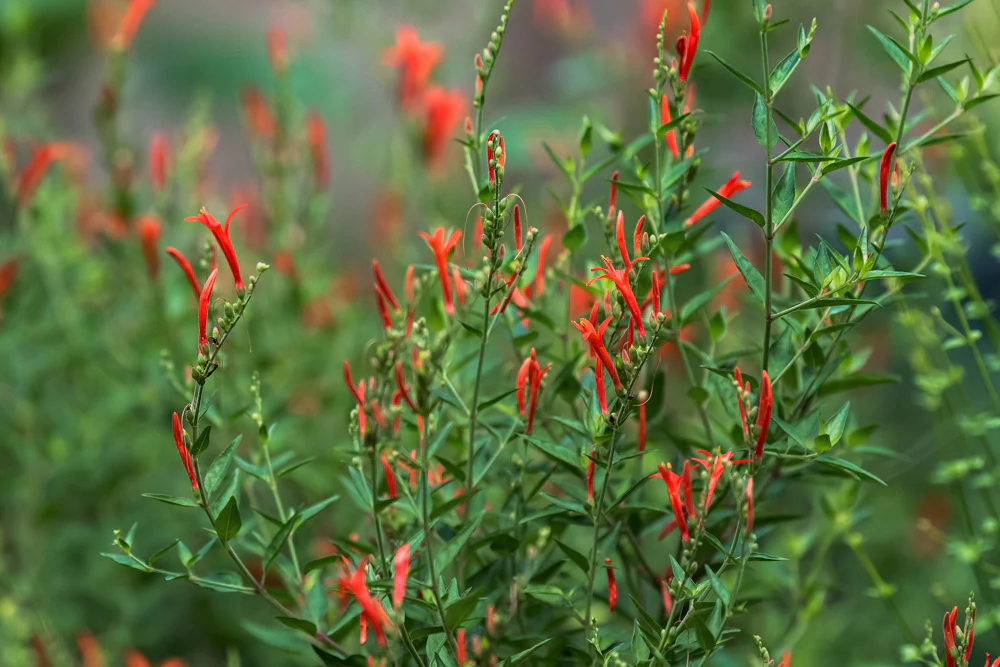
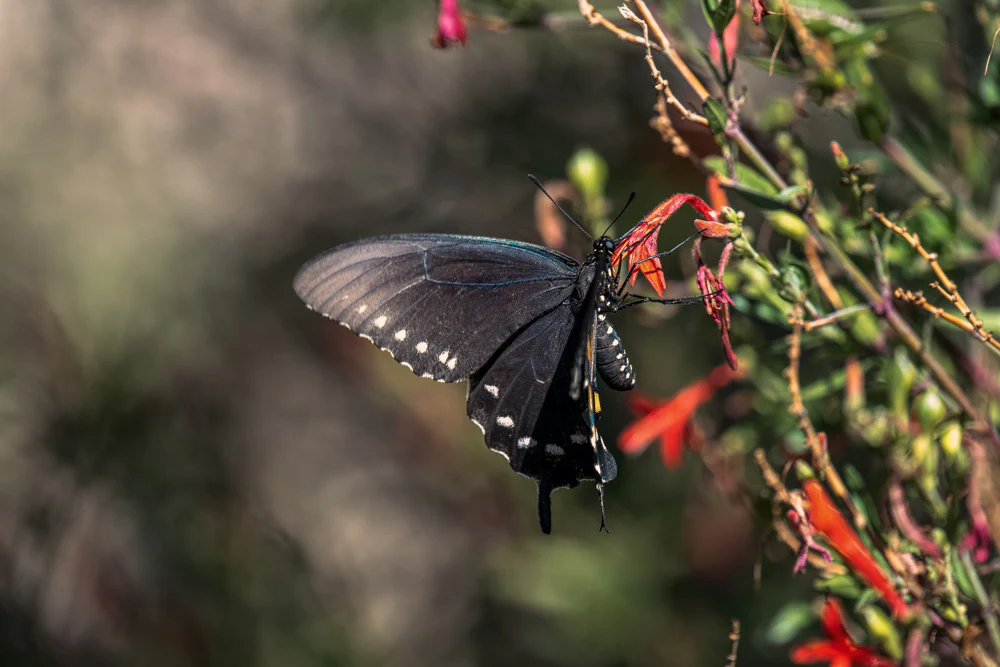
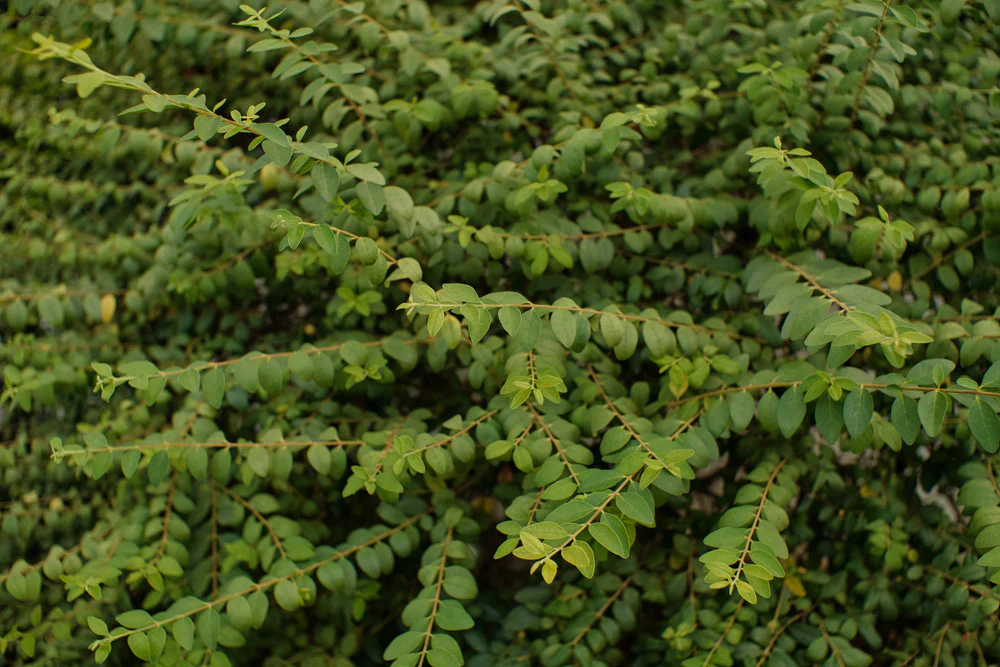
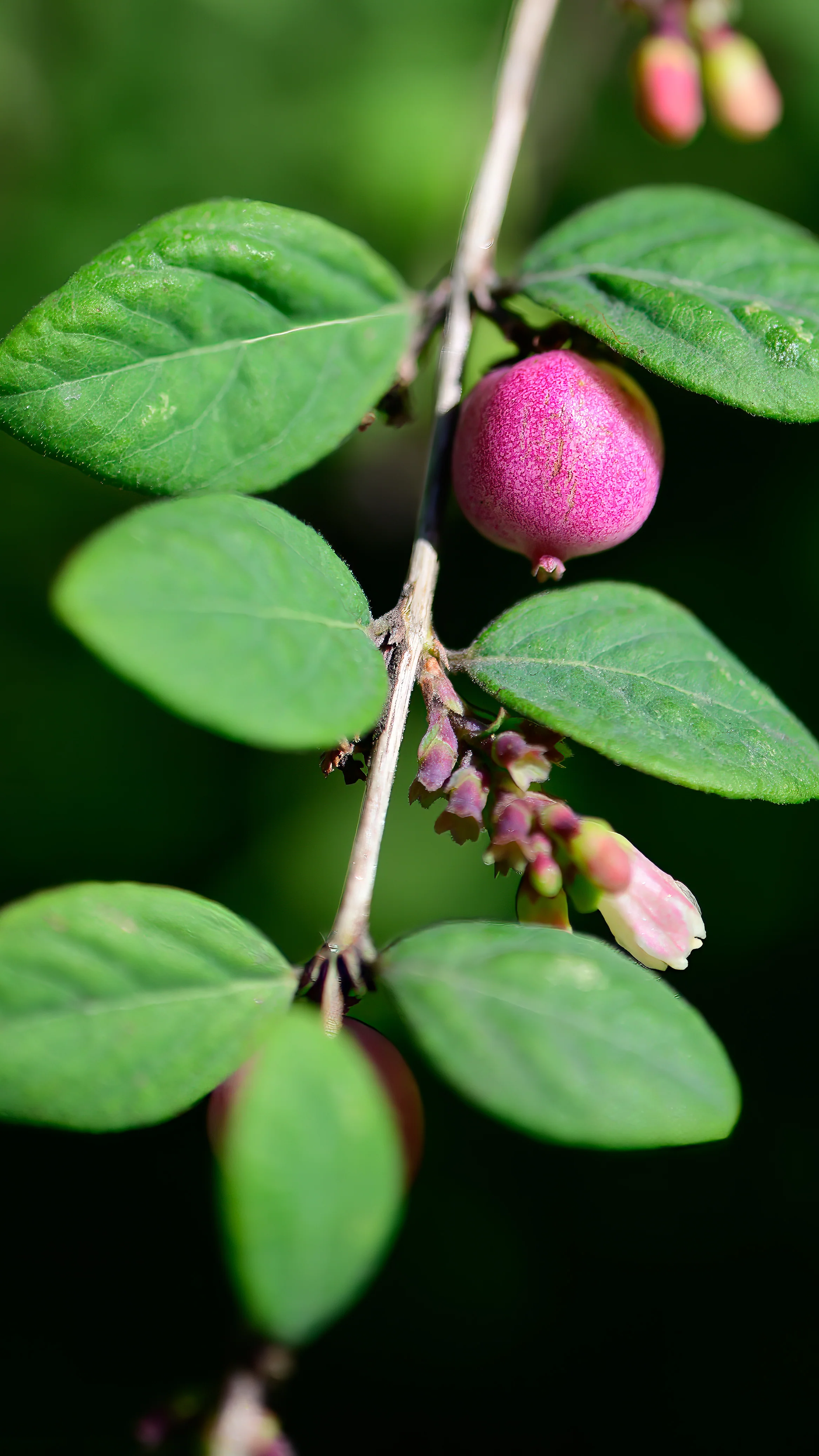
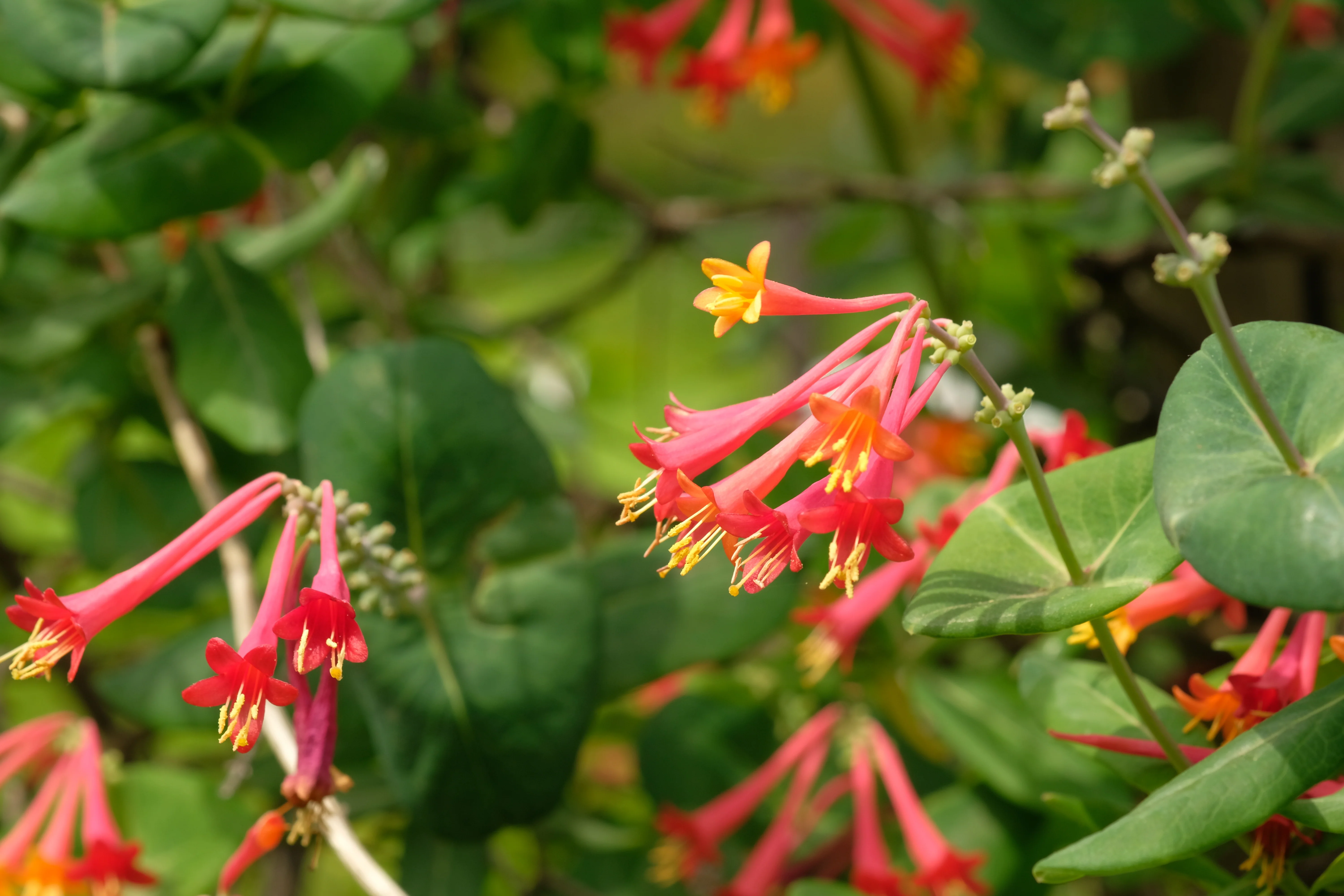
Coral Honeysuckle (Lonicera sempervirens) is a versatile perennial vine known for its striking clusters of trumpet-shaped red flowers that bloom from March to June. This plant thrives in a range of light conditions, from full sun to part shade, and attracts a variety of wildlife, including hummingbirds, bees, butterflies, and birds such as quail and finches. Beyond its ornamental appeal, Coral Honeysuckle has medicinal uses, including treating asthma, bee stings, and sore throats. It also serves as a larval host for the Spring Azure butterfly and Snowberry Clearwing Moth, adding further ecological value to your garden.
Scientific Name: Lonicera sempervirens
Origin: Eastern U.S., Eastern Texas
Height: 10 to 20 feet
Spread: 3 to 6 feet
Light: Full Sun, Part Shade
Water: Medium
USDA Zones: 4-9
Blooms: March to June
Coral Honeysuckle (Lonicera sempervirens) is a versatile perennial vine known for its striking clusters of trumpet-shaped red flowers that bloom from March to June. This plant thrives in a range of light conditions, from full sun to part shade, and attracts a variety of wildlife, including hummingbirds, bees, butterflies, and birds such as quail and finches. Beyond its ornamental appeal, Coral Honeysuckle has medicinal uses, including treating asthma, bee stings, and sore throats. It also serves as a larval host for the Spring Azure butterfly and Snowberry Clearwing Moth, adding further ecological value to your garden.
Scientific Name: Lonicera sempervirens
Origin: Eastern U.S., Eastern Texas
Height: 10 to 20 feet
Spread: 3 to 6 feet
Light: Full Sun, Part Shade
Water: Medium
USDA Zones: 4-9
Blooms: March to June
Original: $6.50
-65%$6.50
$2.27Description
Coral Honeysuckle (Lonicera sempervirens) is a versatile perennial vine known for its striking clusters of trumpet-shaped red flowers that bloom from March to June. This plant thrives in a range of light conditions, from full sun to part shade, and attracts a variety of wildlife, including hummingbirds, bees, butterflies, and birds such as quail and finches. Beyond its ornamental appeal, Coral Honeysuckle has medicinal uses, including treating asthma, bee stings, and sore throats. It also serves as a larval host for the Spring Azure butterfly and Snowberry Clearwing Moth, adding further ecological value to your garden.
Scientific Name: Lonicera sempervirens
Origin: Eastern U.S., Eastern Texas
Height: 10 to 20 feet
Spread: 3 to 6 feet
Light: Full Sun, Part Shade
Water: Medium
USDA Zones: 4-9
Blooms: March to June